Unlock Your Child’s Potential at Forest School
Children learn best when they explore, create, and connect with the world around them. Forest School offers a unique approach to education that encourages this natural curiosity. It provides an outdoor environment where children develop skills beyond the classroom, building confidence, resilience, and a love for learning. This post explains how Forest School can unlock your child’s potential and why it might be the right choice for your family.
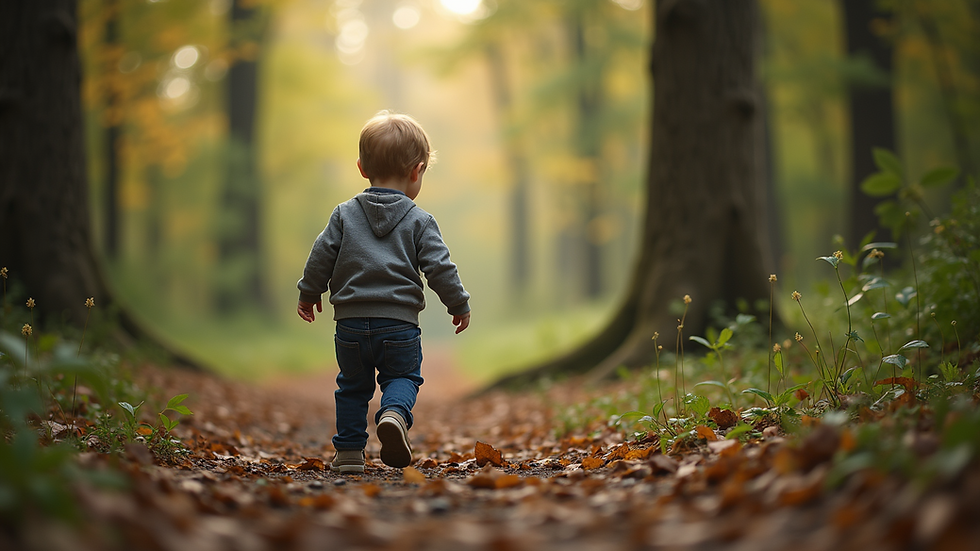
What Is Forest School?
Forest School is an educational approach that takes place in natural outdoor settings. It focuses on child-led learning through hands-on activities like building shelters, identifying plants, and playing in nature. Unlike traditional schooling, Forest School encourages children to take risks, solve problems, and work together in a supportive environment.
The sessions usually happen weekly and last for several hours, allowing children to immerse themselves in the natural world. This approach suits children of all ages and abilities, adapting to their interests and pace.
How Forest School Supports Development
Forest School nurtures many areas of a child’s growth:
Physical skills: Climbing, balancing, and using tools improve coordination and strength.
Emotional growth: Facing challenges outdoors builds confidence and helps children manage feelings.
Social skills: Working in groups teaches cooperation, communication, and empathy.
Cognitive skills: Exploring nature sparks curiosity and critical thinking.
Creativity: Natural materials inspire imaginative play and problem-solving.
For example, when children build a den together, they practice teamwork, plan steps, and use their hands, all while enjoying fresh air and exercise.
Why Outdoor Learning Matters
Research shows that spending time outside benefits children’s health and learning. Outdoor environments reduce stress, improve mood, and increase attention spans. Nature also offers endless opportunities for discovery that classrooms cannot match.
In Forest School, children learn through experience rather than instruction. This active learning style helps them retain knowledge better and develop a lifelong love for exploration.
What a Typical Forest School Session Looks Like
A typical session might start with a welcome circle where children share ideas and set goals. Then they move into activities like:
Identifying plants and insects
Building natural shelters
Using simple tools safely
Storytelling around a campfire
Playing games that encourage problem-solving
The leader observes and supports, stepping in only when needed. This freedom allows children to follow their interests and learn at their own pace.
How Forest School Builds Confidence and Independence
One of the biggest benefits of Forest School is how it helps children believe in themselves. When kids try new things, like lighting a fire or climbing a tree, they learn they can overcome challenges. This builds resilience and independence.
For instance, a shy child might start by watching others but soon gains courage to join in. Over time, they develop a sense of achievement that carries into other areas of life.
Choosing the Right Forest School for Your Child
If you are considering Forest School, look for programs that:
Have qualified, experienced leaders
Prioritize safety without limiting exploration
Offer age-appropriate activities
Encourage family involvement
Have positive reviews or recommendations
Visiting a session or talking to staff can help you understand the environment and teaching style.
Tips for Supporting Your Child’s Forest School Experience
You can help your child get the most from Forest School by:
Dressing them in weather-appropriate, durable clothing
Encouraging curiosity and questions about nature
Talking about their experiences after sessions
Providing opportunities for outdoor play at home
Being patient as they try new skills and face challenges
Your support reinforces the confidence and skills they build outdoors.
Forest School and Academic Learning
Forest School complements traditional education by developing skills that support academic success. Children improve focus, problem-solving, and communication, which help in subjects like reading, math, and science.
Teachers often notice that children who attend Forest School show greater motivation and creativity in the classroom.
Stories from Parents and Educators
Many parents share how Forest School transformed their child’s attitude toward learning. One parent said their child, who struggled with anxiety, became more confident and eager to try new things after joining Forest School.
Educators also report that children develop stronger social bonds and emotional regulation, making school life smoother.
Final Thoughts on Unlocking Potential
Forest School offers a powerful way to help children grow in many areas. It encourages exploration, builds confidence, and connects kids with nature. If you want your child to develop skills that last a lifetime, consider giving Forest School a try.
Explore local programs, ask questions, and see how this approach can fit your family’s needs. Your child’s potential is waiting to be unlocked in the great outdoors.


Comments